
The EU WeMED_NaTOUR project co-funded by the EU EMFAF programme (a fund managed by CINEA) involved a total of 37 students from the Santo Tomás de Aquino School in Inca and from IMIBERG School in Bergamo (Italy) in pilot trips in the WestMed area with the aim of enhancing their knowledge about the importance of the sustainable blue economy and how to be a good Green Traveler
17 Spanish students in Grado (Italy)
Balearic Marine Cluster participates in the European project, EU WeMED_Natour, whose objective is to develop sustainable tourism packages adapted to international and national school groups. These packages seek to increase the attractiveness of the coastal and nautical destinations of the countries participating in the project: Italy, Mauritania, Portugal and Spain; publicizing the environmental and cultural richness of these destinations to a broader audience, with a special focus on the younger generations.
With a commitment to minimizing environmental impact, generating economic benefits for local communities, promoting sustainable practices and raising awareness among children and students about responsible travel and cultural exchanges, this project aligns with the European Commission’s objectives of developing an economic strategy sustainable blue coinciding with the values and objectives of the Balearic Nautical Cluster association.
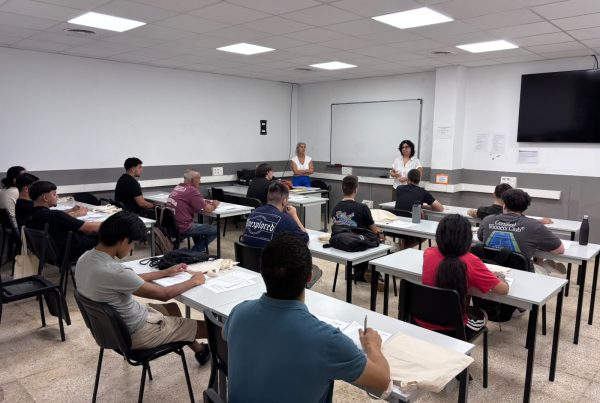
A total of 17 3rd year ESO students from the Santo Tomás de Aquino School in Inca (Mallorca) had the opportunity to take a trip last May to Grado (Italy). Before boarding, the students carried out their first activity related to sustainability, surveying passengers at Palma airport about their participation in recycling activities.
Subsequently, the students were able to carry out field research on the problem of plastic pollution. In this investigation, the students observed and documented through photos, drawings and testimonies everything they wanted to know about plastic pollution.
In another activity, during a guided tour of the Cavanata Valley Natural Reserve, the problems that pollution causes in freshwater ponds, as well as the fauna and vegetation present in the valley, were addressed.
Thanks to this trip, the students were able to see what steps they must follow to become Green Travelers. Therefore, they finally wrote a letter to a future participant on one of these trips, presenting their recommendations and impressions.
Pedro Suasi, manager of the Balearic Marine Cluster, pointed out that “raising young people’s awareness of the importance of having an eco-sustainable and environmentally responsible tourism model is essential. If we achieve this commitment from the new generations, we will be able to make future travelers more responsible with the environments and places they visit”
For her part, Diane Goodfellow, one of the teachers attending the trip, pointed out that “at school, we always look for opportunities to participate in international projects and in reference to the topic of sustainability, participating in this project turned out to be a great success. The students themselves have expressed that this experience has increased their awareness of recycling and waste reduction, as well as the efficient use of resources.”
20 Italian students visited Mallorca
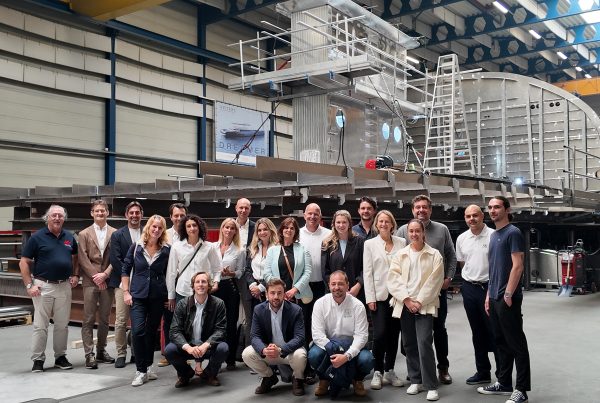
It should be noted that, in addition, a total of 20 students from the Maria Immacolata Institute (IMIBERG) in Bergamo (Italy) visited Mallorca through an eco-sustainable and environmentally responsible tourist package organized by the Balearic Marine Cluster.
The project has involved various local companies and institutions, thanks to whose participation the trip has resulted in an enriching experience for the students; As Erica Bianchi, teacher at the Immacolata Institute in Imiberg, explains:
“The itinerary drawn up by the Balearic Marine Cluster consisted of a 3-day visit. The Bergamo students were able to visit the Albufera Natural Park in Alcudia and the facilities of the Alcudiamar marina. Furthermore, the Serra de Tramuntana was another of the great protagonists of the visit. The participants had the opportunity to live a unique experience, where environmental awareness has merged with the enjoyment of the environment.”
Adrián Calcines, Project Manager of Travel Without Plastic, one of the other seven partners of the EU WeMED_Natour’s Consortium, pointed out that “EU WeMED_Natour is a great opportunity and a very enriching experience for young people; “It allows them to discover new places and learn good practices while sightseeing, while at the same time delving into the sustainability and blue economy of the destination.”
About the project
The EU WeMED_NaTOUR Project intends to focus on West Mediterranean natural marine sites and maritime/coastal destinations to develop responsible and sustainable transnational eco-smart tourism packages according to the blue economy strategy. The designed tourism packages will increase the attractiveness of coastal and marine destinations in the participant countries, highlighting their unique value to a broader audience of visitors, with a specific focus of the “new generations” (6-10 yrs; 11-13 yrs; and 14-16 yrs).
The project is coordinated by X23 – The Innovation Bakery and implemented by ENIT – Italian National Tourist Board | Travel Without Plastic | International Social Tourism Organisation (ISTO) | Balearic Marine Cluster | Turismo de Portugal and Office National de Tourisme (ONT) Mauritanie